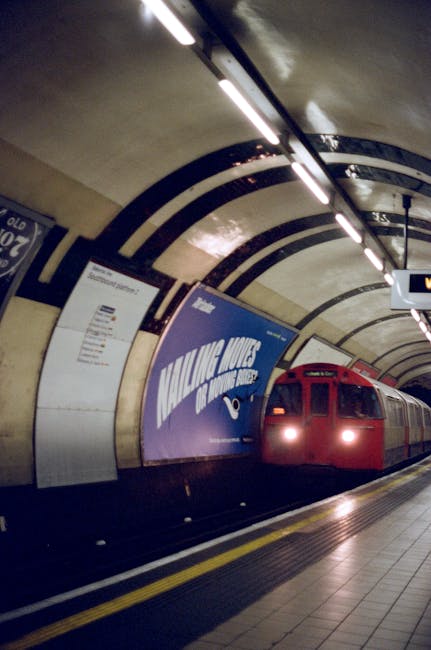
Earls Court station removals checklist for local moves
Moving near Earls Court station can be surprisingly straightforward, but only if the details are handled early. Narrow streets, busy traffic patterns, timed access, lift issues, parking pressure, and the usual "where did we put the kettle?" chaos can turn a short local move into a long day. This guide to the Earls Court station removals checklist for local moves is designed to keep things calm, practical, and properly organised.
Whether you are moving a flat off Earls Court Road, a small office nearby, or just a few key pieces from one address to another, the best result usually comes from good preparation. You will find a clear checklist, step-by-step planning advice, common mistakes to avoid, and sensible guidance on choosing the right moving support. A local move should feel local. Not like a siege.
Table of Contents
- Why this checklist matters around Earls Court station
- How the checklist works in practice
- Key benefits and practical advantages
- Who this is for and when it makes sense
- Step-by-step guidance
- Expert tips for better results
- Common mistakes to avoid
- Tools, resources and recommendations
- Law, compliance, standards and best practice
- Options, methods and comparison table
- Case study or real-world example
- Practical checklist
- Conclusion
- Frequently asked questions
Why Earls Court station removals checklist for local moves Matters
Earls Court is one of those London locations where a move can look simple on paper and then become complicated very quickly. The station area is busy, the roads can feel tight, and access often depends on timing more than distance. A local move here is less about miles and more about managing small constraints well.
A good removals checklist helps you deal with the bits that are easy to forget. It keeps the move from becoming a series of last-minute decisions. You know the type: boxes everywhere, someone hunting for keys, a sofa that will not fit through a doorway, and a driver asking where the loading space is while you are still in your dressing gown. To be fair, it happens.
What makes this especially important near Earls Court station is the mix of homes, businesses, short walks, and limited stop-start access. Even if you are only moving a few streets away, you still need to think about building rules, parking, loading time, packing order, and the route from front door to vehicle. That is why local knowledge matters. It saves time, stress, and avoidable damage.
If you want moving support that fits the scale of a short-distance move, services like man and van removals or a more flexible man with van service can be a sensible fit for compact local jobs. For bigger household moves, a more structured option such as home moving support may be the better choice.
How Earls Court station removals checklist for local moves Works
The checklist works by splitting your move into stages rather than treating it as one giant task. In real life, that means planning before moving day, packing in a logical order, confirming access details, and then checking off the final items before the vehicle arrives.
Think of it as reducing uncertainty. Each item you confirm early removes one more possible delay. That matters in Earls Court, where a missed parking arrangement or a late key handover can throw the whole day off rhythm. You do not need a military operation. You just need a tidy sequence.
1. Start with the property and access
First, confirm how items will leave the property. Is there a lift? Are there stairs only? Will the van stop outside, or will the team need to carry boxes a short distance from a side street? The answer affects timing and packing decisions more than people expect.
2. Match the vehicle to the move
A few bags and a desk do not need the same setup as a two-bedroom flat. Choosing the right vehicle and crew size avoids wasted trips and cramped loading. If you need something larger, a dedicated moving truck or removal truck hire can be more suitable than a small van.
3. Pack in the order of unloading
One of the best local-move tricks is to pack by destination room. Put daily essentials last but label them clearly. That way, when you arrive at the new place, the first things out are the ones you actually need. No one enjoys looking for the toaster under a pile of lampshades.
4. Keep paperwork and valuables separate
Important documents, keys, chargers, medication, and valuables should travel with you rather than in the load. It is a small thing, but it prevents the sort of panic that makes a ten-minute delay feel like an hour.
5. Schedule with local traffic in mind
Earls Court traffic can be lively at the wrong times. A move scheduled for an awkward school run, busy weekday slot, or late-afternoon rush will usually take longer than expected. Local timing is not glamorous, but it is one of the most useful parts of the plan.
Key Benefits and Practical Advantages
A well-built removals checklist gives you more than peace of mind. It improves the move itself. Here are the benefits that matter most in a local Earls Court move.
- Less stress: You are not trying to remember everything at once.
- Faster loading and unloading: Boxes are labelled, priorities are clear, and nothing has to be re-sorted on the pavement.
- Lower risk of damage: Fragile items are packed properly and furniture is protected.
- Better time control: Fewer delays from missing documents, unclear access, or last-minute packing.
- Cleaner handover: You can leave the property in a better state, which helps with deposits or building management expectations.
- More suitable vehicle choice: The move is matched to the actual load, not guessed.
There is also a quieter benefit that people notice only after the move: decision fatigue goes down. Once the essentials are written down, you stop mentally juggling them every five minutes. That alone is worth something.
For many local moves, a professional packing add-on can make a real difference. If you want help getting fragile items, kitchenware, and awkward bits sorted properly, packing and unpacking services can save time and reduce breakages.
Who This Is For and When It Makes Sense
This checklist is useful for anyone moving in or around Earls Court station, but it is especially relevant if your move is small-to-medium in scale and you need it done efficiently. That could mean a studio flat, a one-bedroom apartment, a shared house, or a compact office nearby.
It also makes sense if you are doing a partial move. Maybe you are taking furniture to a new flat, shifting a few office items, or moving a single room between addresses. In those cases, the challenge is not volume. It is organisation.
You will probably benefit most if you are:
- moving within Earls Court or close by
- moving out of a building with limited access or tight stairs
- trying to keep costs controlled on a local relocation
- working to a same-day handover or deposit deadline
- relocating a small office or workspace
- combining home and furniture transport in one trip
If you are a business customer, the planning logic is similar but the priorities change slightly. You may need downtime kept to a minimum, equipment labelled carefully, and access arranged around business hours. In that case, commercial moves or office relocation services may be the more relevant starting point.
Step-by-Step Guidance
Here is a practical sequence you can use for an Earls Court station local move. Keep it simple. The simpler the better, honestly.
Step 1: Confirm the moving date and access window
Check when you can move in and out, and whether building access is limited. If a concierge, landlord, or managing agent needs notice, give it early. A short move can still fail if the door is locked at the wrong time.
Step 2: Take a quick inventory
Write down what is going, what is staying, and what needs special handling. Note large furniture, fragile items, awkward shapes, and anything too heavy for one person. This is especially helpful if you plan to use house removalists or a smaller local transport option.
Step 3: Sort by priority
Make three groups: essentials, main load, and non-urgent items. Essentials are the things you will need immediately. Main load is everything else. Non-urgent items can wait or travel separately if needed.
Step 4: Pack the essentials box
This should include toiletries, kettle, phone charger, a change of clothes, basic tools, and any medication. Keep it with you. The first night in a new place always feels easier when the essentials are not buried somewhere under blankets.
Step 5: Label every box clearly
Write the room and the contents. Not just "stuff" or "misc." That may feel obvious now, but on moving day it becomes guessing time. A little label saves a lot of grumbling later.
Step 6: Protect furniture properly
Disassemble what can be safely taken apart. Wrap corners, glass, and painted surfaces. Put screws and fittings in labelled bags and tape them to the relevant item or keep them together in a master pack.
Step 7: Plan parking and carrying distance
Even a short carry can add significant time if the van cannot stop close to the entrance. Confirm where the vehicle will load, how long it can wait, and whether there are any restrictions. This is one of those boring tasks that quietly prevents chaos.
Step 8: Do a final sweep before leaving
Check cupboards, behind doors, under beds, and in the loft or storage areas if applicable. You would be surprised how often keys, chargers, and important bits get left in plain sight. Moving day eyes do not always work properly.
Step 9: Unload in the right order
Once at the new place, put beds, kitchen essentials, and daily-use items in place first. Then handle the rest room by room. If you rush the first hour, the rest of the day usually feels messy.
Expert Tips for Better Results
There are a few details that experienced movers pay attention to. They are small, but they make a real difference.
Expert summary: For local Earls Court moves, the best outcome usually comes from three things: a realistic schedule, correct access planning, and clearly labelled packing. Everything else is helpful, but those three do most of the heavy lifting.
Tip 1: move heavy items separately where possible. If a piece is awkward, fragile, or impossible to carry safely with the rest of the load, give it a plan of its own. Rushing a bulky item often causes damage at the door frame. Painfully ordinary problem, that one.
Tip 2: use the first box of the day wisely. Put cleaning cloths, tea, snacks, bin bags, and a basic toolkit in one easy-to-reach box. It sounds minor. It is not.
Tip 3: photograph furniture and cable setups before disassembly. This is very useful for shelves, desks, media units, and office equipment. When you are rebuilding later, the photos save time and a fair bit of swearing.
Tip 4: plan for weather, even in London. Rain is rain. A wet path or slippery step changes how long loading takes. Keep coverings handy and do not assume the day will stay dry just because it looked fine at 8am.
Tip 5: choose the right level of service for the job. Some moves need only transport and lifting help. Others benefit from full packing support. If you are dealing with a tighter budget or a very small load, a straightforward man and van setup can be enough. For more complex jobs, adding services is often worth it.
Common Mistakes to Avoid
Most moving problems are not dramatic. They are usually the result of little things stacking up. Here are the ones worth avoiding.
- Underestimating access: A move across a short distance can still take ages if parking is awkward or there are many stairs.
- Packing too late: Last-minute packing leads to poor box labelling and breakages.
- Using the wrong vehicle size: Too small means extra trips; too large can create unnecessary cost or access problems.
- Forgetting building rules: Some properties need advance notice, lift booking, or damage protection.
- Mixing essentials with bulk items: It is annoying to search for one charger among ten identical boxes.
- Leaving valuables in the load by accident: Easy to do, hard to forgive yourself for later.
- Not planning unpacking: You do not need a full interior design strategy, but you do need a first-night plan.
A practical local move should feel tidy. If it starts to feel vague, that is usually the sign to slow down and re-check the basics. Not glamorous, but effective.
Tools, Resources and Recommendations
You do not need complicated tools for a local move, but a few simple items make life much easier.
- Strong boxes: Use uniform, sturdy boxes where possible. Mixed-quality boxes can collapse at the worst moment.
- Packing tape and marker pens: Label clearly and seal properly.
- Blanket wrap or furniture covers: Good for protecting tables, mirrors, and wardrobes.
- Zip bags for fixings: Keep screws, brackets, and bolts with the right furniture piece.
- Basic toolkit: Screwdriver, Allen keys, tape measure, and scissors are enough for most local jobs.
- Phone camera: Use it to record room layouts, wire connections, and any damage already present.
- Notebook or digital checklist: One place for deadlines, access details, and key tasks.
If you expect a slightly larger load, a dedicated vehicle can help keep the move moving. Options such as moving truck or removal truck hire can suit bigger local household or office jobs better than a small van. On the other hand, if you only have a few items, keeping things simple is often smartest.
For customers comparing providers, useful things to check include how the team handles protection, whether they explain timing clearly, and whether the company offers transparent moving support. It is also sensible to review insurance and safety information before booking, especially if you have expensive items or a difficult access route.
Law, Compliance, Standards and Best Practice
For most home moves, the legal side is not complicated, but there are still sensible standards to follow. In London, the practical issues usually involve parking permissions, building rules, safe lifting, and property access rather than anything highly technical.
Best practice usually means:
- confirming building access in advance
- keeping routes clear for lifting and carrying
- protecting communal areas from damage where required
- making sure items are moved safely, without unnecessary strain or risk
- handling personal data, keys, and documents carefully during office moves
If you are moving commercial equipment or office records, you should be even more careful about confidentiality and secure handling. That is not overthinking it; it is just good housekeeping.
From a provider perspective, customers often appreciate clear terms, straightforward payment handling, and a sensible complaints process. Those are all signs of a company that takes the job seriously. You can also check practical details such as payment and security, terms and conditions, and the company's health and safety policy.
For environmentally conscious moves, simple reuse and responsible disposal matter. If you are clearing unwanted items along the way, the company's recycling and sustainability approach can be a useful indicator of how it handles waste and reuse.
Options, Methods, and Comparison Table
Different local moves need different levels of support. Here is a plain-English comparison to help you decide what fits best.
| Option | Best for | Strengths | Watch-outs |
|---|---|---|---|
| Man and van | Small flats, single items, quick local moves | Flexible, simple, often cost-effective | Not ideal for bulky loads or large households |
| Man with van | Light removals, errands, mixed items | Good for short jobs and small transport needs | May require more planning if items are fragile or numerous |
| Moving truck | Larger local home or business moves | More space, better for grouped loads | Access and parking need more attention |
| Removal truck hire | Medium to larger moves, furniture-heavy loads | Helps reduce multiple trips | Not necessary for very small jobs |
| Packing and unpacking service | Busy households, fragile items, time-sensitive moves | Saves time, improves organisation | Extra service layer to factor into planning |
The right choice depends on volume, access, timing, and how much help you want on the day. There is no prize for choosing the biggest option. The prize is a move that runs smoothly.
Case Study or Real-World Example
Imagine a couple moving from a second-floor flat near Earls Court station to a nearby street only a few minutes away. On paper, it looks easy. In practice, the building has no lift, the hallway is narrow, and the van cannot park directly outside for long. Without a plan, the move drags.
They start by packing by room and labelling clearly. One box is set aside for essentials. The dismantled bed frame is grouped with its fixings, and the mirrors are wrapped separately. They also confirm the loading point before moving day and arrange a realistic time slot instead of hoping for the best. Sensible, really.
On the day, the crew can work steadily because the route is clear and the items are ready. The move still takes effort, of course, but the stress is lower and the risk of damage is reduced. The difference is not magic. It is organisation. A small local move handled well can feel almost calm, which is not something people always expect in London.
Practical Checklist
Use this checklist as your final pre-move and moving-day guide. Print it, save it, scribble on it, whatever works.
Before moving day
- Confirm the moving date and access times
- Check lift availability, stair access, and hallway width
- Arrange parking or loading arrangements where needed
- Decide whether you need home move support, transport only, or packing help
- Make a room-by-room inventory
- Separate essentials, valuables, and documents
- Collect boxes, tape, markers, covers, and tools
- Label boxes clearly by room and priority
- Pack fragile items with extra care
- Photograph furniture and cable setups before dismantling
On moving day
- Keep keys, medication, chargers, and documents with you
- Do a final check of drawers, cupboards, and storage spaces
- Protect floors and common areas if required
- Guide the team on priority items first
- Confirm the load order before the van leaves
- Take meter readings or property handover notes if needed
- Check every room before locking up
At the new property
- Place essentials box in an easy-to-find spot
- Set up beds and kitchen basics first
- Check for any damage before unpacking fully
- Reassemble furniture carefully and keep fixings together
- Dispose of packing waste responsibly
Key takeaway: A local Earls Court move goes much better when you treat it as a sequence of small jobs rather than one huge task. That mindset alone changes everything.
Conclusion
A strong Earls Court station removals checklist for local moves is really about making a busy day feel manageable. It helps you plan access, choose the right vehicle, protect your belongings, and avoid the most common moving-day headaches. If you are moving just around the corner, the details still matter. In fact, they matter even more because small delays show up faster on a short route.
With the right preparation, a local move can be efficient, low-drama, and even a bit satisfying when the last box lands in the right room. That is the goal. Not perfection. Just a move that feels under control.
Get a free quote today and see how much you can save.
If you would like to learn more about the team behind the service, take a look at about us before you book. And if you are ready to talk through your move, you can reach the company via contact us. A short conversation now can save a long afternoon later.
Frequently Asked Questions
What should be on an Earls Court station removals checklist for local moves?
Your checklist should cover access, parking, box labelling, fragile items, essential documents, furniture dismantling, and a clear unloading plan. The closer your route is to Earls Court station, the more useful the access detail becomes.
How far in advance should I start preparing for a local move?
For a straightforward local move, start at least a couple of weeks ahead if possible. If you have a tight deadline or limited access, start earlier. The packing itself may not take long, but the planning bits often do.
Is a man and van suitable for moving near Earls Court station?
Yes, for smaller loads and shorter local moves, a man and van can be a practical choice. It works especially well for flats, single-room moves, and furniture transport where you do not need a full-size removal setup.
Do I need packing and unpacking help for a local move?
Not always, but it can be worthwhile if you are busy, moving fragile items, or trying to reduce stress. It also helps if you dislike the last-minute box scramble. Few people do enjoy that part.
How do I know whether I need a moving truck instead of a smaller van?
If you have several large furniture items, a larger household load, or want to avoid multiple trips, a moving truck is often more suitable. Small jobs usually do not need one, so it is best to match the vehicle to the actual load.
What are the biggest risks in a local Earls Court move?
The main risks are poor access planning, parking issues, rushed packing, and damaged furniture. In tight London areas, even a short carrying distance can add time and physical strain if it is not planned properly.
Should I label boxes by room or by contents?
Ideally both. Room labels help with unloading, while contents labels help you find essentials later. A box marked "kitchen - plates and mugs" is much better than one marked "misc," which is about as helpful as a chocolate teapot.
What should I keep with me on moving day?
Keep keys, phone chargers, medication, ID, important paperwork, and any valuables with you. It is also wise to keep your essentials box separate from the main load.
How can I make a small local move less stressful?
Pack early, use a clear checklist, choose the right transport, and keep priorities simple. You do not need to do everything at once. A sensible order makes the whole day feel lighter.
Are there any compliance or safety issues I should think about?
Yes. You should think about safe lifting, building access, parking restrictions, and protection for shared areas. For office or commercial moves, secure handling of documents and equipment also matters.
What if I only need one or two items moved?
For a few items, a smaller transport option is often enough. In some cases, furniture collection or pick-up support may be more appropriate than a full house move. It depends on size, distance, and how awkward the items are.
How do I choose between home moves and house removalists?
If you are moving the contents of a home and want broader support, home moves are usually the better fit. If you need a more hands-on service for a larger household, house removalists can make sense. The best option depends on the scale of the move and how much help you want.
Can I combine a local move with furniture pickup?
Yes, if you are taking existing furniture and also collecting a few items, it can often be arranged together. That can be a neat way to reduce trips and make the move more efficient, provided the load is planned properly.
What is the smartest first step if I am moving near Earls Court station?
Start by confirming access and listing everything that needs to move. Once you know the size of the job, it becomes much easier to decide on transport, packing help, and timing. That first step removes a surprising amount of uncertainty.